
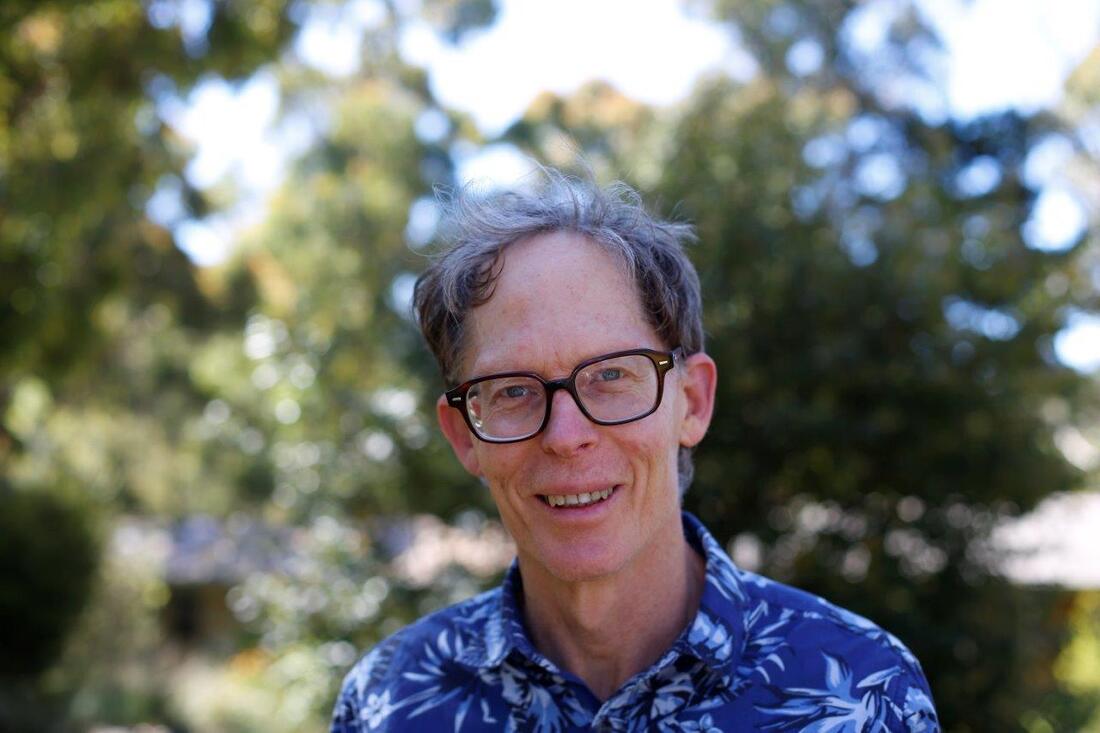
 Welcome to Matt Blackburn Osteopathy - This is my first test blog!
With over a decade of experience serving Hobart and Sorell communities, Matt is dedicated to keeping you active and well through osteopathic care.  Anyone from teenagers, adults to older people can benefit from Osteopathy. A range of treatment methods are used depending on the age and individual condition of the person.
Benefits of Osteopathy may include relief from pain and assistance to help the body function better in a number of ways. These include improved mobility more ease with walking and other movements feeling more relaxed and sleeping better. Though well known for treating joints, osteopaths work with many other components of the body including muscles, tendons, ligaments, soft tissues, and nerves. Additionally, sessions involve giving advice on ways to manage a condition such as advice on posture, walking, safe lifting techniques sometimes specific strengthening exercises to do at home. Conditions often helped by osteopaths include:
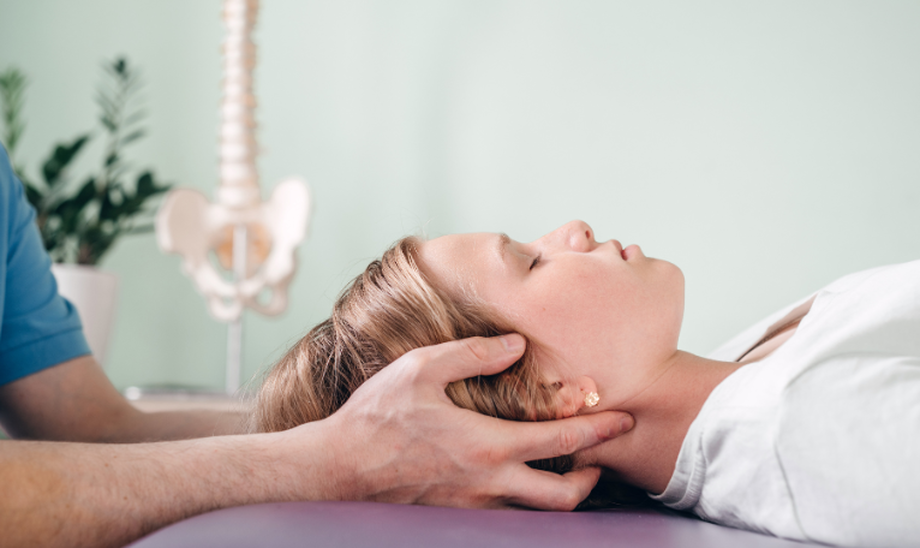 Necks can be can be uncomfortable and painful and are a common reason for seeking treatment. If you have a painful or restricted neck how often do you notice that other areas are also distressed such as your upper or lower back or hips for example?
A long time ago as humans evolved to walk on two legs our cervical spines adapted to support our heads in the upright position. The cervical spine which consists of seven vertebrae muscles, ligaments, blood vessels, nerves and vital organs, needs to move freely to support the head, (which weighs about 3 kilos), and allow us to look straight ahead. As an osteopath according to our first principle “The body is a unit” I am interested in seeing how other parts of the body may contribute to neck pain. I am often using my hands to examine and release tension in the upper and middle ribs, upper and lower back and pelvis before working on the neck. My aim is to improve other areas that support good function of the neck and help the whole body feel and move better. Techniques I may use include soft tissue, inhibition and stretching of tight muscles, articulation of joints of the neck, ribs, shoulders and upper back and neural release of specific cervical nerves and their surrounding layers or dura. Things that may contribute to neck problems include:
Things that may assist good neck function include:
 If you’ve ever had a problem such as a sore back, headache, sciatica or a painful knee it’s likely that you have looked for some kind of professional to help. Physiotherapists and osteopaths are both allied health professionals whose aims are to relieve pain and help your body work better however the differences between them can be confusing.
This article takes a closer look at each profession to find out what they do and how they are different. It may help your guide your choice in making your choice. Physio’s and Osteo’s probably have more in common than you think, however there are some differences in philosophy, aims, methods of treating and training. Aims and philosophy: The aim of physiotherapy is to improve function through rehabilitation i.e.to improve a person’s ability to move and function. Physios are experts in rehabilitation of injuries and exercise-based management of conditions. They use their in-depth knowledge of anatomy and physiology to assess and treat people with a range of health conditions from sporting injuries, neck and back pain, to people recovering from stroke, brain or spinal cord injury, and conditions such as Parkinson’s disease, osteoporosis and cystic fibrosis. Osteopaths are experts at manual therapy and their treatments are almost exclusively hands on. Osteopaths believe that there is a strong relationship between the body’s structure (mechanics) and its function. Their aim is to improve the body’s structure and hence function by working physically using the hands. They have a holistic approach and follow the following principals: “the body is a whole’,“all the body’s systems are interconnected” and that “the body has the ability to self-heal”. A practical example of that is if you see an osteopath for neck pain, they will likely take a look at your upper back, ribs and pelvis as well as your neck. In contrast Physiotherapy treatment may focus more on mobilising the site of injury rather than the ‘whole body’ approach. Training and education: Physios are trained in a wide range of areas and have a much broader scope of practice than Osteos. They work in all sectors of healthcare, including public hospitals, private practice, rehabilitation centres, sporting clubs and community health centers. In Australia, all physiotherapists must complete at the very minimum a bachelor degree (usually four years) in physiotherapy, however many practicing physios have a masters or professional doctorate. All physiotherapists must be registered with the Australian Health Practitioner Registration Agency. (AHPRA) Osteopathic training is almost exclusively in the workings of the human body involving medical science and practical skills and technique. It involves developing advanced palpatory and diagnostic skills. Osteopaths almost exclusively work in private practice. In Australia Osteopaths undergo a five-year University training with an undergraduate applied science degree and a Master’s degree. All Osteopaths must be registered with the Australian Health Practitioner Registration Agency. (AHPRA)  Migraine headaches are a debilitating and serious daily problem for many people. It is a condition suffered by 14 percent of the population worldwide. Symptoms of migraines include:
There are many factors known to provoke migraines including:
Migraines were traditionally considered to be due to changes in blood flow within the head and neck. However new research supports a more likely cause of sensitization or a heightened sensitivity to pain of the sensory nerves and nerve bodies of the Trigeminal nerve complex, a process found in other chronic pain syndromes. The Trigeminal nerve is the largest cranial nerve in the head that provides sensation to the blood vessels and surrounding layers of the brain. Upper neck pain is believed to contribute to headaches due to a connection between the cervical sensory nerves and the Trigeminal nerve system. Additionally there are inflammatory pathways activated that contribute to the sensitization process through provoking factors as mentioned above and in people who have a tendency to get migraines. Triggers as outlined above along with having a tendency to get migraines activates the Trigeminal pain receptors and initiates release of inflammatory mediators causing an, inflammatory response. Though migraines are a complex condition Osteopaths may help migraine sufferers by taking a comprehensive case history and assisting clients understand and manage migraine triggers. Work gently using manual therapy on your body to:
 If you’re over 60 its easy to blame everything on “getting older”. That’s what everyone seems to do including doctors.
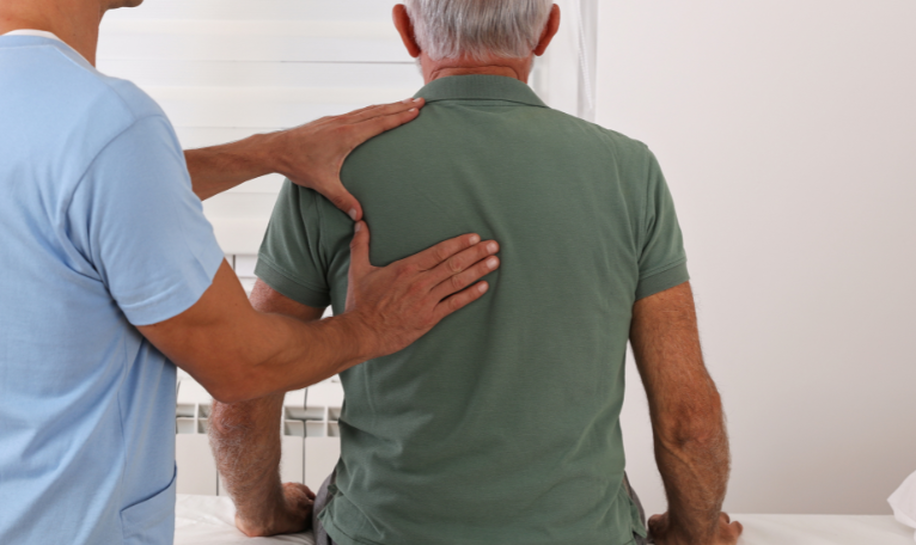
There are many difficulties that occur in the physical body with aging. Aches and pains difficulty turning your head, sciatica, stiff back, sore knees and headaches. These are some problems of getting older and you may be told that nothing can be done about it. Osteopaths may help older people. We listen to you, ask questions about old and new complaints and then assess your walking and other movements of joints such as hips, shoulders and knees. We then use our hands to work on your body. Our aim is to release tight muscles and tissues through stretching and soft tissue work and gently move joints and encourage them to move a little further. we may also use special techniques to release the nerves in the neck, arms and legs to relieve pain and improve movement and balance. Osteopaths may help older people with conditions such as:
|
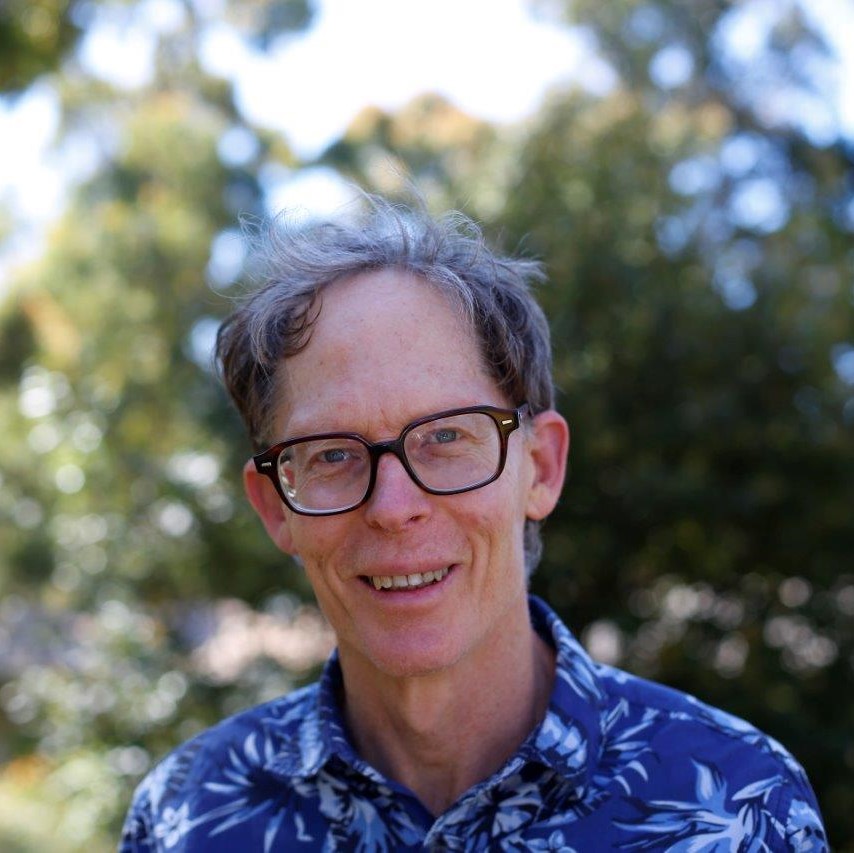
AuthorMatt has 13 years of experience working as an osteopath in Hobart and Sorell, treating teenagers to older adults, and is a member of Osteopathy Australia. Archives
July 2024
Categories
All
|